

Mines and industry
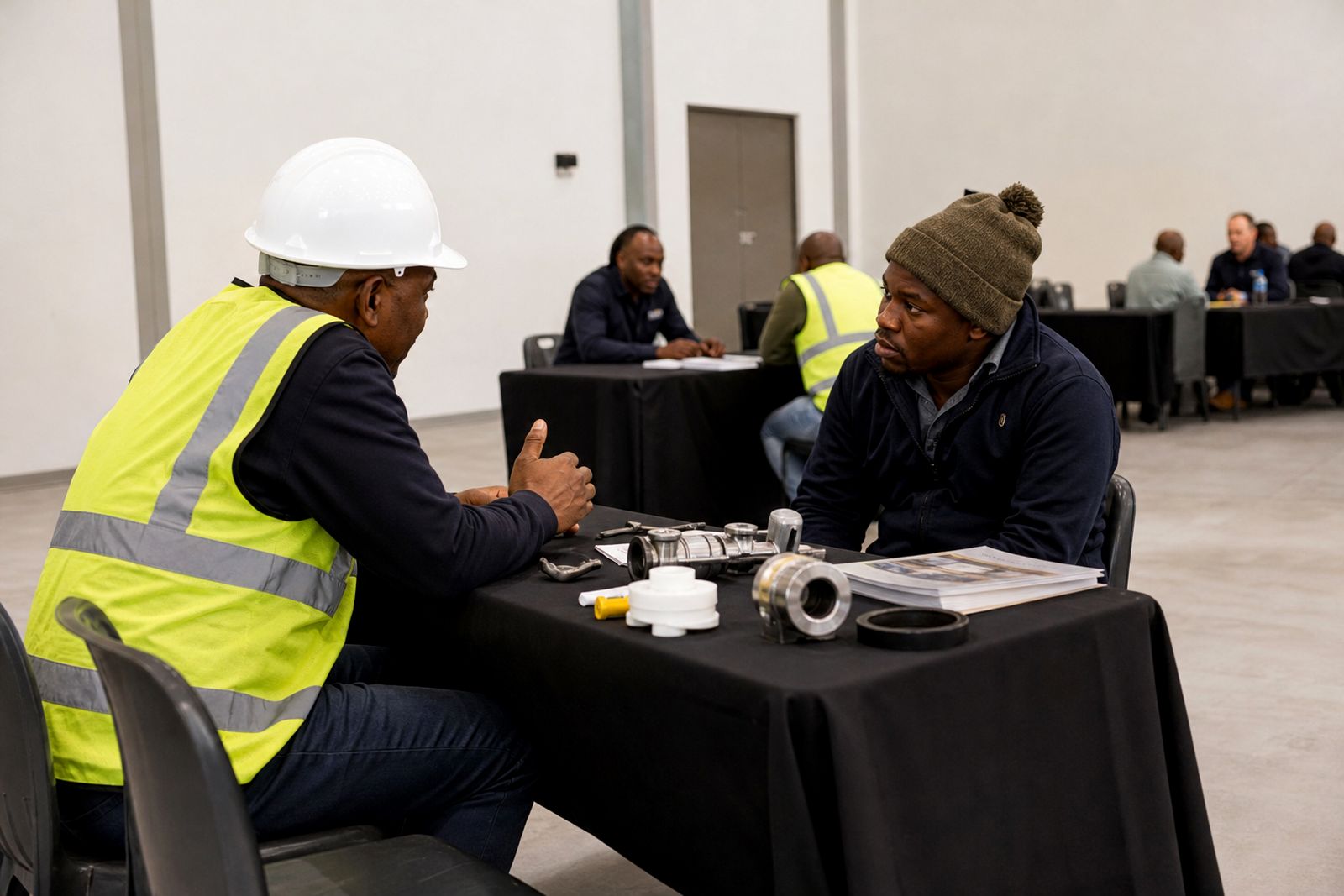
We run supplier days for mines and industrial buyers that want to meet suitable local suppliers near their operations. Our team handles supplier finding, vetting, table set-up, timekeeping and the buyer pack after the event.

Built for operational buying teams
Mines, plants, depots and processing sites often need local suppliers who can actually service the area, reach the gate on time and work within site conditions. A supplier day helps the buying team meet a shortlist in one sitting instead of spending weeks on scattered calls and unplanned visits.
We run these sessions for South African buyers with operational procurement needs, especially where travel time, rural locations, security access and power cuts affect normal meetings. From our Johannesburg base we coordinate supplier days across the country, including industrial zones, mining belts and outlying towns near operations.
The format is practical. We identify suppliers in the right categories, invite them, confirm attendance, set up tables, move each meeting along and then send the buyer a tidy pack afterwards. That means the buyer can focus on fit, capacity and next steps rather than admin.
What is included
Our scope covers the working parts that make a supplier day useful instead of noisy. We do not try to turn it into a trade show. The aim is short, relevant meetings with suppliers that suit the site or region.
- Supplier sourcing around the operation, province or required delivery radius.
- Basic vetting against the buyer's stated categories and attendance requirements.
- Invitations, confirmations and schedule management.
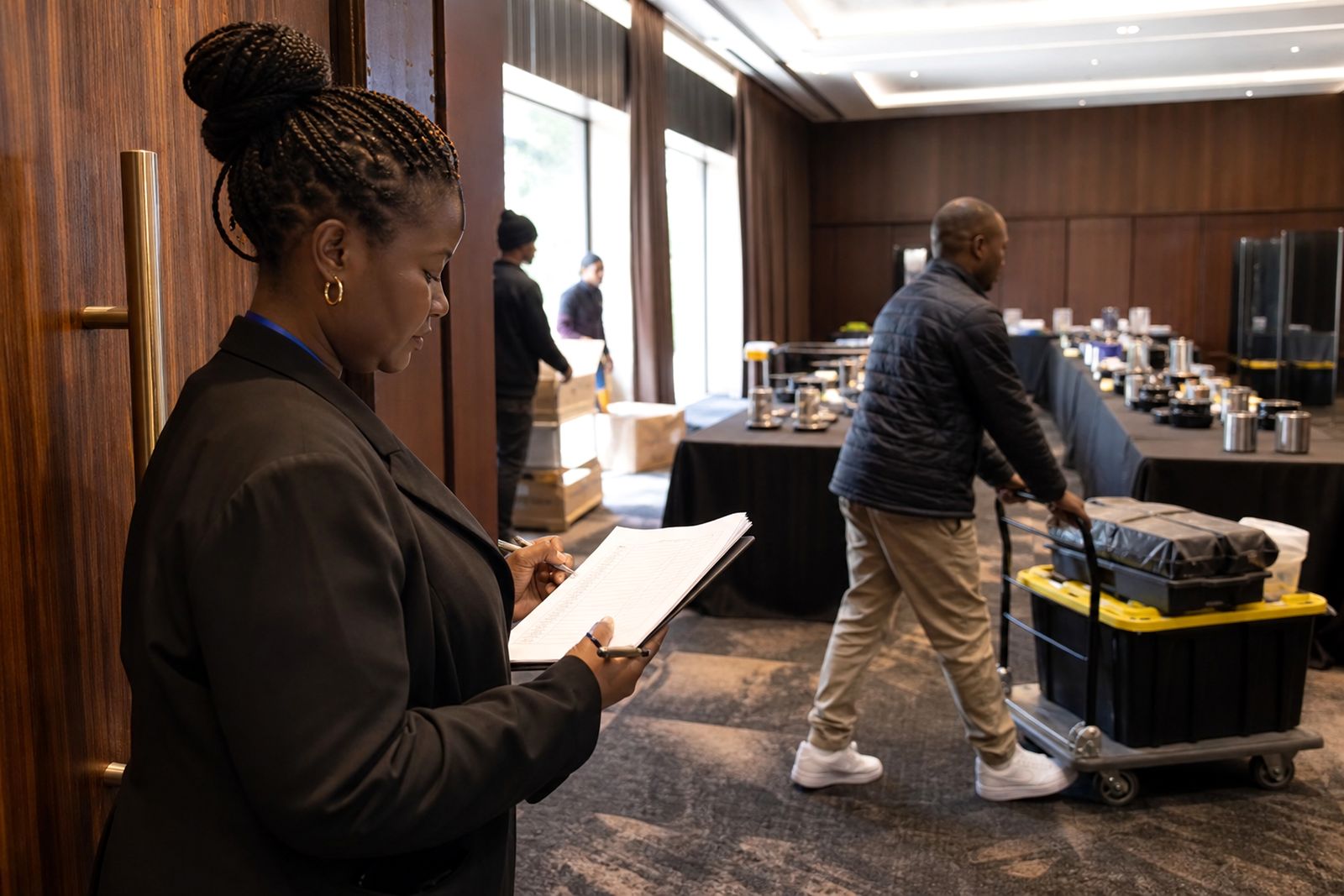
- Table layout planning for the venue or site meeting room.
- On-the-day registration and meeting flow control.
- Timekeeping so each supplier gets a fair slot and the buyer stays on plan.
- A post-event supplier pack with the supplier details and meeting notes gathered on the day.
Where a site has strict entry procedures, we build that into the running order and arrival times. If the venue is off-site near the operation, we can structure the day so suppliers from nearby towns are grouped together, which helps the team compare like with like.
How the process works step by step
We start with a clear brief from the buyer. This covers the operation location, supplier categories, preferred trading area and the type of conversations the team wants to have. Some clients want early market scanning, others want near-ready suppliers for immediate follow-up.
- Step 1: Buyer briefing on categories, area, timing and site realities.
- Step 2: Supplier search and first screening based on the brief.
- Step 3: Invitation, response tracking and slot allocation.
- Step 4: Table plan, running order and final attendee list.
- Step 5: Supplier day delivery with registration and timekeeping.
- Step 6: Buyer pack issued after the event for follow-up.
During screening we look for practical fit, not fluff. Can the supplier serve the area. Do they appear to trade in the required category. Are they likely to present useful information in a short meeting. This keeps the day focused, even when the buyer has several internal stakeholders joining the table.
On the day, each supplier gets a defined slot. Our operator keeps the queue moving and warns the next supplier before the changeover, so the room does not drift behind by mid-morning.
What the buyer needs to prepare
The strongest supplier days happen when the buyer gives a practical brief upfront. We do not need long policy documents. We need the information that helps us find the right suppliers and run the room properly.
- The operation or venue location, with any access limits.
- The supplier categories required.
- The towns, districts or delivery radius to prioritise.
- The buyer team members attending and their roles at the table.
- Any documents or company profile the buyer wants suppliers to receive beforehand.
- Preferred meeting length and whether breaks are needed between blocks.
- Rules for bringing samples, PPE or vehicles onto site if relevant.
For mine and industrial settings, it also helps to tell us about realities such as weak mobile signal, limited parking, high summer heat, dusty conditions or shift change traffic at the gate. Those details matter more than people think. They affect arrival windows, table placement and how early suppliers need to report.
If the event is near the coast, we also plan around humidity and paper handling, especially where sign-in sheets and printed handouts are involved.
Pricing and planning factors
Pricing is worked out from the shape of the job rather than a flat template. The main factors are the location, how much supplier finding is needed, the number of buyer attendees, the venue set-up and the amount of coordination before and after the day.
In general terms, a session near a major centre with a clear supplier category list is simpler than a session for a remote operation covering several categories across a wide area. If there are site access controls, multiple buyer tables or a split schedule over more than one block, that also changes the work involved.
We will outline the scope plainly so the buyer can see what is included. If something sits outside the agreed running plan, we flag it early and discuss the options first. That keeps the job neat and avoids last minute confusion.
Aftercare and supplier packs
The day itself is only part of the value. After the meetings, we send the buyer a tidy supplier pack so internal follow-up is easier. This is useful where operations, procurement and technical staff all need a record of who attended and what was discussed.
- Final supplier list for the day.
- Supplier contact details collected for the buyer record.
- Meeting notes or note sheets gathered during the session.
- Basic categorisation so the buyer can sort next steps.
- Attendance record and any no-show notes.
We can also help the buyer structure follow-up batches, for example immediate callbacks, hold-for-later suppliers and suppliers needing extra documents. We do not take over the buyer's internal process, but we do leave the information in a clean usable format. That saves time the next day, and it helps teams who were in the room compare notes without digging through loose papers.
What our Supplier Day customers say
Verified Google reviews
Questions we get asked
Can you run a supplier day near a remote operation?
Yes. We plan around travel times, gate access, parking and venue practicality. Remote areas usually need earlier coordination and a tighter arrival plan.
Do you decide which suppliers the buyer must use?
No. We find, vet and organise relevant suppliers for meetings. The buyer decides who to follow up with after the event.
Can different internal teams attend the same supplier day?
Yes. Many mine and industrial sessions include procurement, operations and technical staff. We can structure the schedule so each table stays manageable.
Also worth a look

Plan a supplier day
Send a note through our contact form with the kind of suppliers you want to meet and where, and our team will reply to plan your supplier day.
Open the contact form