

Retail groups
We run supplier days for retail buying teams that want to meet small producers in a structured, workable format. From finding and vetting suppliers to table set-up, timing and follow-up packs, we keep the day practical and easy to review.
What this service covers
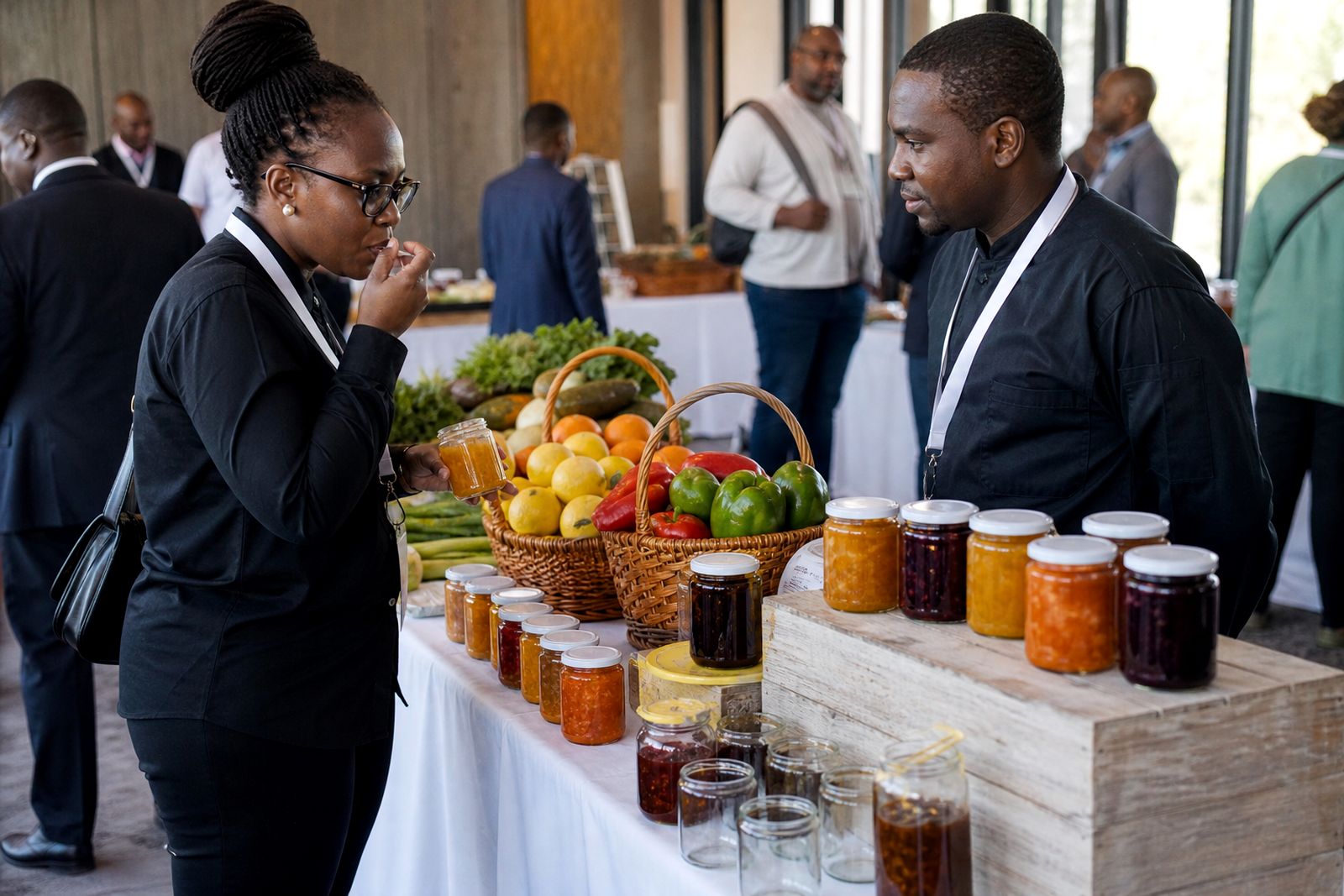
Retail groups often need a better way to meet smaller producers without turning the buying team’s week into a string of one-off appointments. Our supplier days bring shortlisted suppliers into one organised session so buyers can compare products, ask the same commercial questions, and spot gaps or opportunities quickly.
We handle the working parts before, during and after the event. That includes supplier sourcing, first-pass vetting, invitations, attendee scheduling, table planning, sign-in, timekeeping and the buyer pack after the session. The aim is simple: a clean process for your team and a fair chance for suppliers to present properly.
- Sourcing small producers relevant to your category mix
- Basic vetting before invitations go out
- Supplier communication and attendance control
- Table layouts and event flow for buyer meetings
- On-the-day schedule management
- Post-event supplier pack for internal review
How we find suitable small producers
For retail groups, the fit matters more than volume of names. We start with your categories, route-to-shelf requirements and the practical realities of your operation. A chilled line, a dry grocery item and a non-food impulse product each need a different screening lens. We look for suppliers that match the brief closely enough to make a buyer meeting worth the time.
Our vetting is focused on readiness for an initial buyer conversation, not a final listing decision. We check whether the supplier can present a clear product range, basic commercial information, packaging details and operational facts relevant to retail. If a supplier is too early, unclear or poorly matched, we do not force them into the day. That saves time later and keeps the room useful.
- Category alignment with your buying brief
- Product presentation and sample readiness
- Packaging and labelling information available
- Supply capability discussed at a practical level
- Ability to attend and present within a timed slot
The process from brief to event day
We begin with a planning discussion with your buying or procurement team. This covers category priorities, regional focus, any exclusions, preferred venue area, meeting style and who from your side needs to attend. Once the brief is clear, we begin sourcing and screening suppliers, then issue invitations to those that suit the session.
As responses come in, we manage confirmations and build the meeting schedule. We map each supplier to a table and time slot, taking into account product type, sample handling needs and the number of buyer representatives expected at each meeting. Closer to the day, we finalise the running order and supplier instructions so there are fewer surprises on arrival.
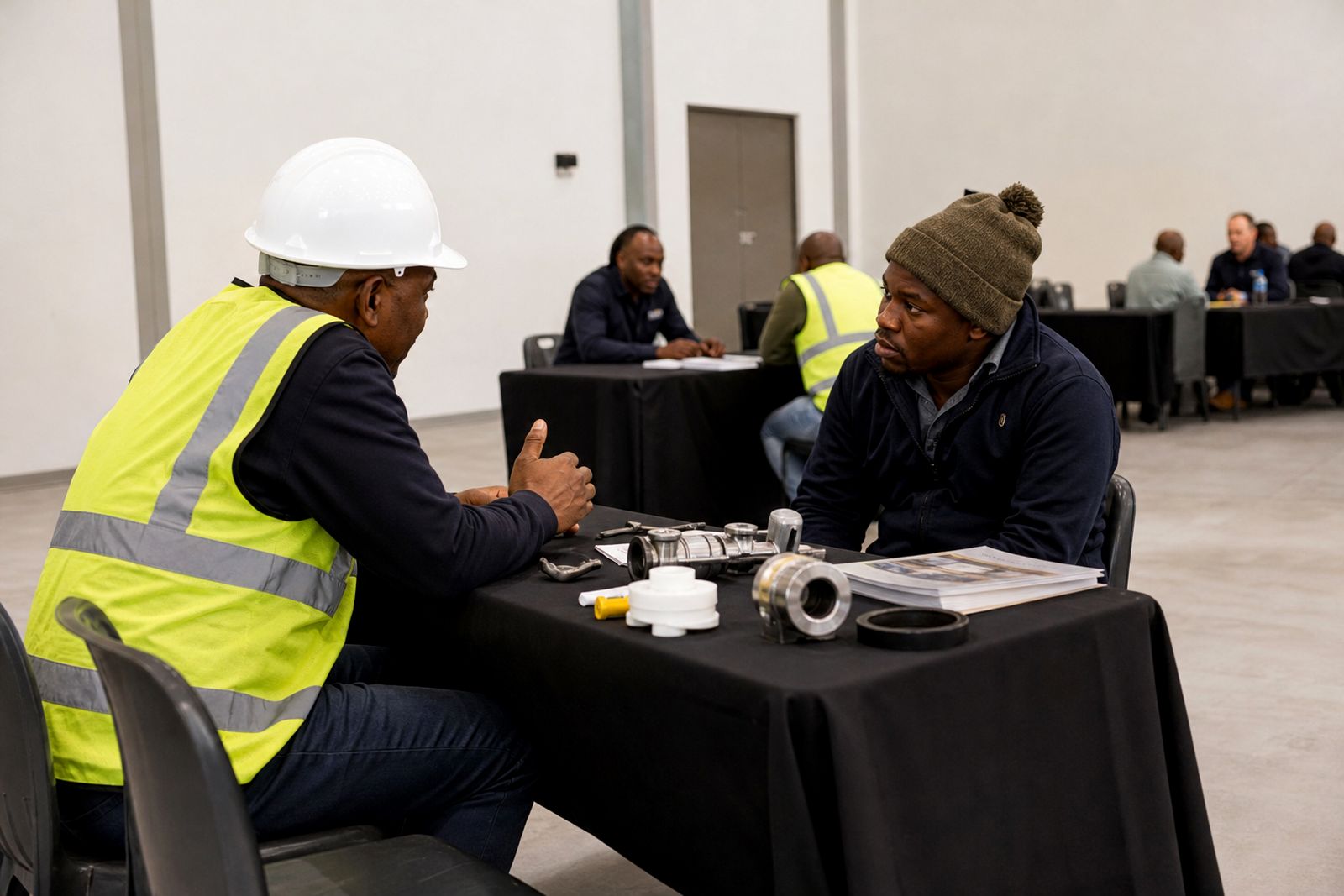
On the day, we manage sign-in, direct suppliers to their tables and keep meetings moving. Retail teams usually need a steady rhythm, especially where several category buyers are sharing the session. We step in if one conversation runs long, if a supplier arrives flustered, or if a sample set-up needs sorting quickly.
- Step 1: buyer brief and scope confirmation
- Step 2: supplier search and first-pass vetting
- Step 3: invitations and attendance management
- Step 4: schedule build and table allocation
- Step 5: on-site set-up and time control
- Step 6: supplier pack and follow-up notes
What your team should prepare
The better the brief, the better the day. We do not need long policy documents or a complicated pack to get started, but we do need clear direction from the buying side. A short list of categories, preferred product types, must-have product information and who will attend from your team goes a long way.
It also helps to decide in advance how your buyers want to work on the day. Some teams prefer a strict rotation with equal time per supplier. Others want a short pitch first, followed by open product inspection and questions. If chilled or frozen products may be shown, tell us early so the venue plan can be checked properly. Small practical points like access times and sample handling can make the morning run smoothly or become a headache.
- Your target categories and exclusions
- The buyer roles attending and their focus areas
- Preferred venue area or city
- Format preference for meetings and product viewing
- Any sample handling needs, including cold-chain concerns
- Internal contact for approvals and last changes
How pricing is worked out
Pricing is worked out according to the scope of the supplier day rather than a one-size-fits-all fee. The main drivers are the sourcing effort, the amount of supplier screening needed, the complexity of the schedule, the venue and on-site requirements, and the amount of post-event pack preparation your team wants. A category with specialist products usually takes more sourcing time than a broad general merchandise brief.
Travel, venue logistics and event duration also affect the final cost. A straightforward session in Johannesburg is different from a day that needs travel coordination, extra setup time or more than one buyer stream running at once. We discuss the shape of the work first, then provide clear commercial terms through the enquiry process. That keeps expectations sensible and avoids padded extras later.
Aftercare and the supplier pack
After the supplier day, we send the buyer a tidy supplier pack for internal review and follow-up. This is important for retail groups where decisions often move across buying, technical, operations and other internal stakeholders. The pack gives your team a cleaner handover than a pile of mixed notes taken in a busy room.
Depending on the agreed scope, the pack may include supplier details, product summaries, meeting notes, attendance records and the supporting material gathered for your team. We can also help structure the next-step follow-up list so your buyers know who needs a call back, who needs more documents, and who is not the right fit right now. It sounds basic but this step is where a lot of good event work gets lost if nobody tidies it up properly.
Our role after the event is to make sure the session remains useful once the tables are packed away. Buyers leave with a reviewable set of information, and suppliers leave knowing the process was run properly.
What our Supplier Day customers say
Verified Google reviews
Questions we get asked
Can you work with more than one buying category in the same supplier day?
Yes. Where the brief is clear, we can structure the day around multiple categories and build the schedule so the right buyer speaks to the right supplier.
Do you decide which suppliers a retail group should list?
No. We source, vet and organise the day, but listing and commercial decisions stay with the buyer team.
Can supplier days be held outside Johannesburg?
Yes. We are based in Johannesburg and support supplier days for buyers across South Africa, subject to the event scope and logistics.
Also worth a look

Plan a supplier day
Send a note through our contact form with the kind of suppliers you want to meet and where, and our team will reply to plan your supplier day.
Open the contact form