

Guides
These guides cover the practical parts of running and attending supplier days in South Africa. Use them to decide what to read first, whether you are a buyer planning the day or a supplier preparing for a short meeting slot.

What this guides section covers
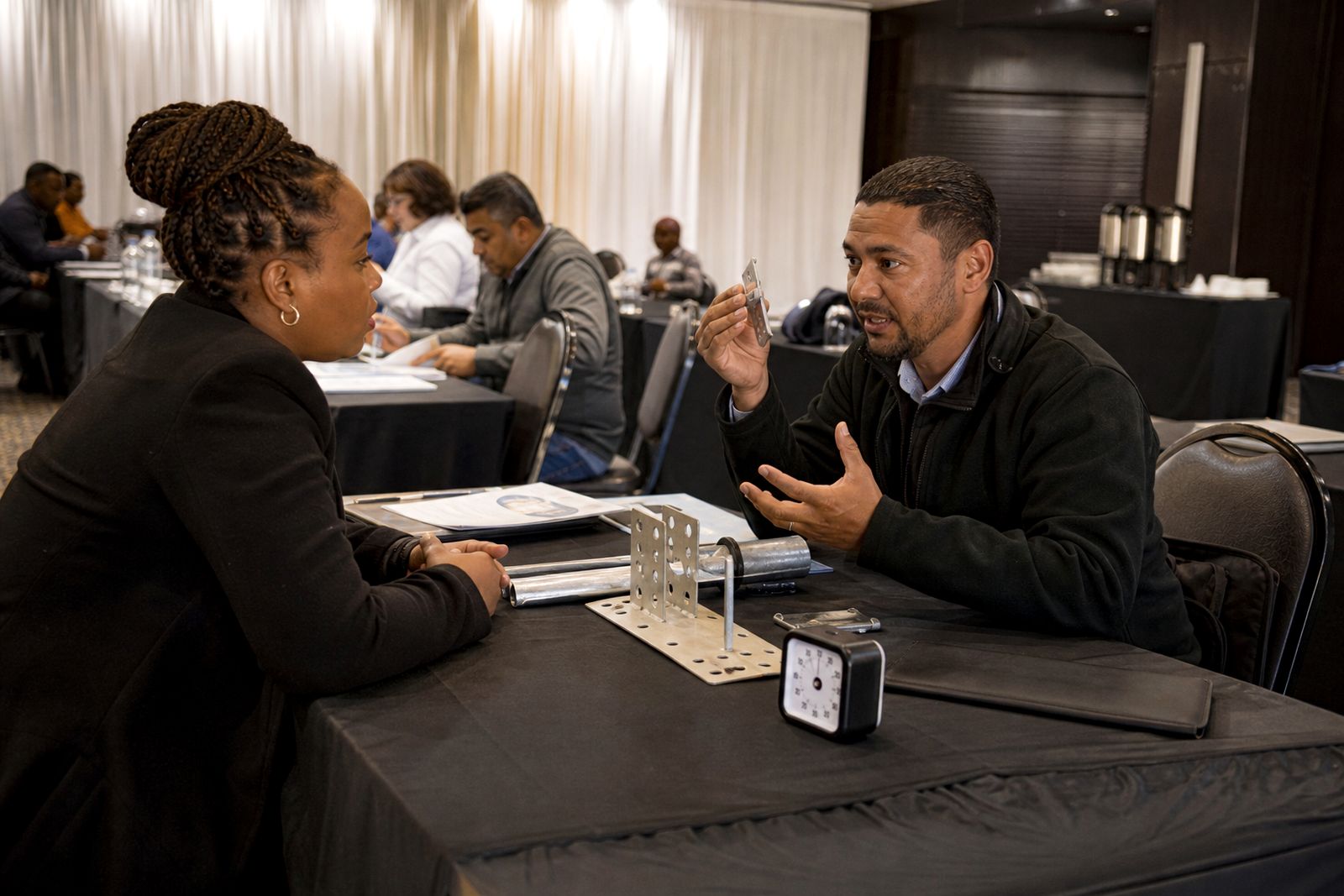
This section brings together the working notes that sit around a supplier day. Some pages are aimed at buyers who need the day to run on time and produce a usable supplier pack afterwards. Others are aimed at suppliers who have a short window to introduce their business clearly and leave the right documents behind.
If you are not sure where to start, think about your role first. Buyers usually need help with structure, timing and follow-up. Suppliers usually need help with invitations, table preparation and what to say in a ten minute slot. The pages here are short enough to use before the event, and practical enough to keep open on the day.
Choose the right guide for your role
Buyers and suppliers arrive at the same event with different jobs to do. Picking the right guide early saves time and avoids last minute back and forth.
- Buyers: start with supplier packs if your main concern is getting a tidy record of who attended and what was discussed.
- Buyers: read keeping the schedule tight if you need each session to start and finish on time, especially when there are several internal stakeholders rotating through tables.
- Suppliers: read getting invited if you want to understand what buyers usually look for before an invitation goes out.
- Suppliers: read preparing your table if you are unsure what to bring, what to print and how much space you will actually have.
- Both: read pitching in ten minutes if your meetings are short and you need a simple structure that does not waste the first three minutes on basics.
If your event is in Johannesburg, Durban, Cape Town, Gqeberha, Rustenburg or a remote industrial area, the same basics still apply. Timing, clear documents and a usable table set-up matter more than fancy extras.
When to read each page
These guides work best when used in the right order. A lot of problems on the day come from leaving simple prep too late, like missing copies of documents or a pitch that has no clear ending.
- Before invitations are final: buyers should review supplier screening needs and suppliers should read getting invited.
- A week or two before the event: suppliers should read documents to have ready and preparing your table.
- The day before travel: both sides should check venue access, parking, arrival times and who is carrying printed material.
- On the day: use table set-up, on the day, and keeping the schedule tight.
- After the event: buyers should use what is in a supplier pack and following up with suppliers to keep the process tidy.
For venues affected by traffic delays, power cuts or strict security sign-in, leaving documents in the car until the last minute often causes hold-ups. Pack the basics together in one folder so you are not sorting pages at reception.
A practical comparison: buyer needs versus supplier needs
The same supplier day can feel very different depending on which side of the table you sit on. This quick comparison helps you choose the most useful page first.
- Main pressure on buyers: keeping meetings moving, avoiding gaps, collecting consistent notes, and making sure internal teams can compare suppliers fairly afterwards.
- Main pressure on suppliers: making a clear introduction quickly, answering practical questions, and leaving behind the right supporting paperwork.
- Buyers usually ask: can this supplier meet our category need, are the documents in order, and who should follow up internally?
- Suppliers usually ask: what should we bring, how formal is the table, and how much detail can we cover in ten minutes?
- Best guide for buyers under time pressure: keeping the schedule tight.
- Best guide for suppliers under time pressure: pitching in ten minutes.
If you are involved in a mine, municipal or retail group supplier day, this difference matters. Buyers need order across many conversations. Suppliers need enough structure to present well without overtalking. A short good meeting beats a long wandering one.
What you will not find here
These pages are not legal advice, tender advice or a substitute for a buyer's own internal process. They do not try to cover every procurement requirement or tell suppliers what result they should expect after attending.
Instead, the focus is on what can be controlled on a supplier day itself: invitations, documents, table layout, timing, note taking and follow-up. That keeps the guidance useful across different sectors and venues. It also means a supplier from a small workshop in the Vaal or a service business from Mbombela can use the same preparation notes as a supplier travelling in from the coast where printed material can curl in humid weather.
Use these guides with the rest of the site
If you need a broader view first, read the buyer and supplier sections before coming back to the guides. The buyer pages explain how supplier days are structured. The supplier pages explain how invitations and preparation normally work. Then the guide pages help with the finer points.
If you are planning an event and want support with supplier sourcing, table set-up, timing and post-event packs, use the enquiry form on the contact page. If you are a supplier hoping to attend a future supplier day, the invitation and preparation guides are the best place to start, and they answer most of the common questions we hear.

What our Supplier Day customers say
Verified Google reviews
Questions we get asked
Are these guides only for suppliers?
No. Some guides are written for buyers and some for suppliers. The page introductions make that clear, and this hub helps you choose the right one.
Which guide should a first-time supplier read first?
Start with getting invited, then read documents to have ready and pitching in ten minutes. That gives you the basics before table preparation.
Can a buyer use these guides to prepare an internal team?
Yes. The timing, note taking and supplier pack pages are useful when several people from one buyer need a consistent approach on the day.
Plan a supplier day
Send a note through our contact form with the kind of suppliers you want to meet and where, and our team will reply to plan your supplier day.
Open the contact form