

On the day
On the day, a supplier event only works if the room is ready, suppliers know where to go and meetings start and stop on time. This section explains how we handle table set-up, schedule control and the practical details that keep the day moving.
What this section covers
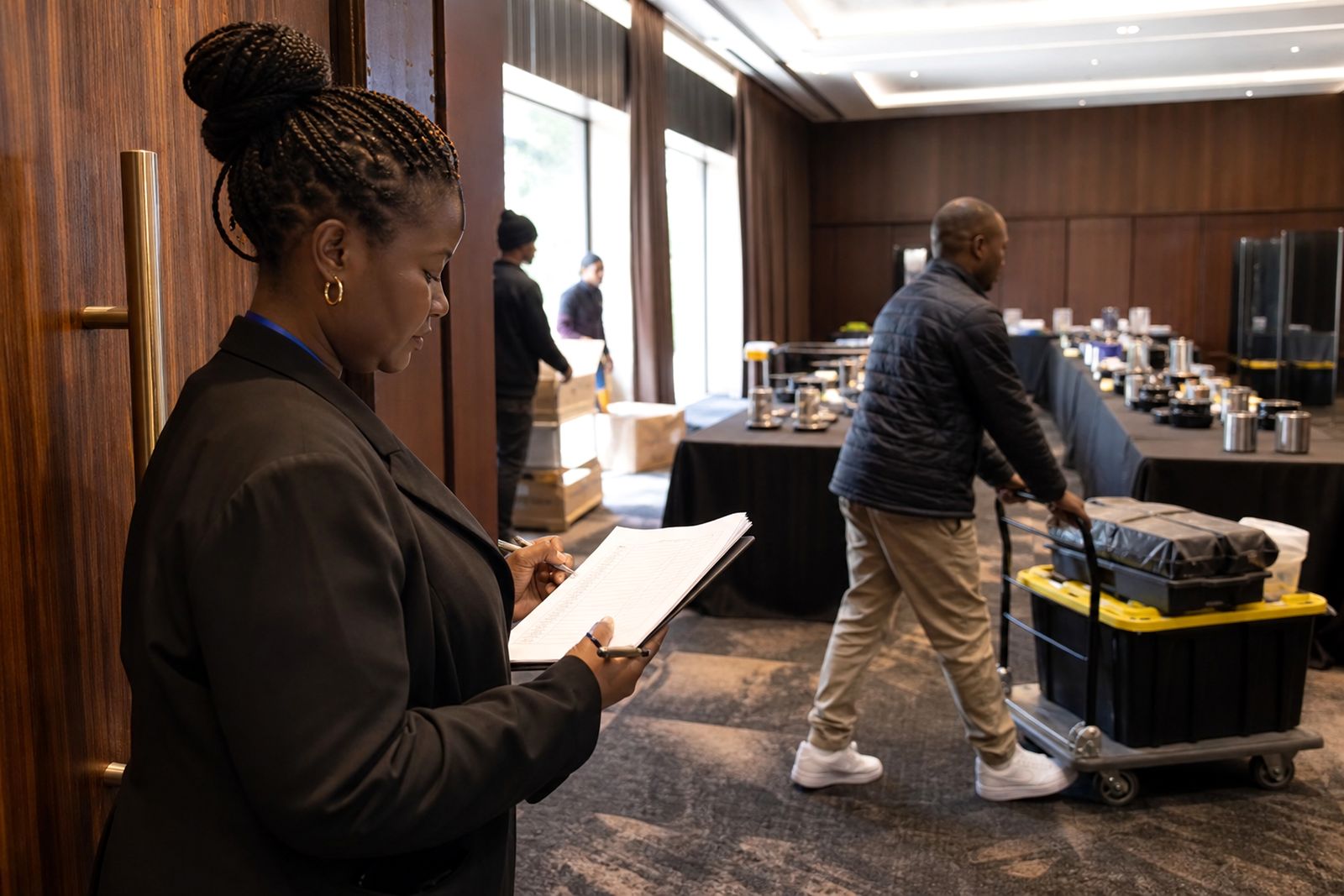
This part of our service is about the practical running of the event once the venue opens. We set out the tables, check supplier arrivals, guide people into the right places and keep the meeting schedule moving so the buyer team can get through the day without drift.
If you are deciding which page to read next, use this section to match your main concern to the right topic. Some buyers want help mainly with the room layout, while others need stronger timekeeping because several internal teams are meeting suppliers in short slots.
- Choose Table set-up if your focus is table positions, signage, registration flow and how the room should work.
- Choose Keeping the schedule tight if your focus is ten minute meetings, changeovers, overruns and keeping each buyer representative on plan.
- Use this page if you want the full on-the-day picture before going into either topic in more detail.
How the room is prepared before meetings start
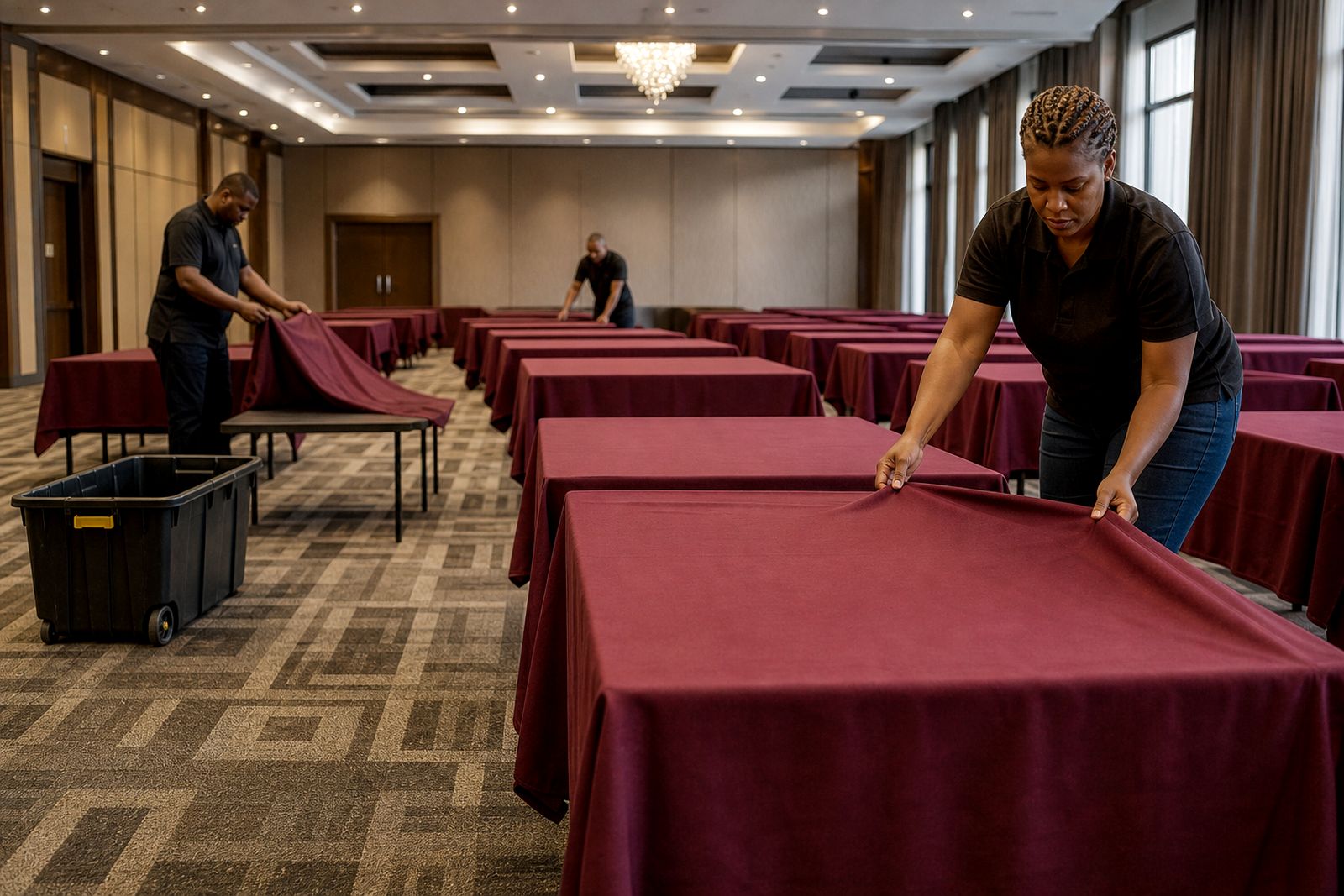
Before the first supplier arrives, we work through the venue room and make sure each table is in the correct place, clearly marked and easy to find. We check the entry route, sign-in point and the path buyers will use between meetings. In Johannesburg this often means planning around morning traffic delays, while in coastal towns we also keep an eye on damp conditions affecting printed material.
We prefer simple layouts that reduce confusion. A straight row can work for a smaller buyer team, while a U-shape or zoned layout can help when different categories need to stay apart. If a venue has weak air flow, tight aisles or noisy doors we adjust the set-up so short discussions can still be heard properly.
- Tables labelled and matched to the schedule.
- Buyer seating planned for easy movement between sessions.
- Supplier arrival point set apart from the main meeting area.
- Printed packs, forms or notes placed where the buyer can collect them quickly.
Arrival, registration and first briefings
The first hour can decide whether the day settles quickly or starts late. We receive suppliers as they arrive, confirm that they are in the correct session and direct them to the right table. Where needed, we give a short reminder on timing, introductions and what should be left with the buyer after the meeting.
For buyers, we keep the briefing short and practical. We point out the running order, break times, table plan and any late changes. If a supplier is delayed by traffic, venue access, or a vehicle problem on route, we deal with it quietly and adjust the queue where possible. That way the buyer team is not pulled off track by admin at the door.
Keeping the schedule tight without making it stiff
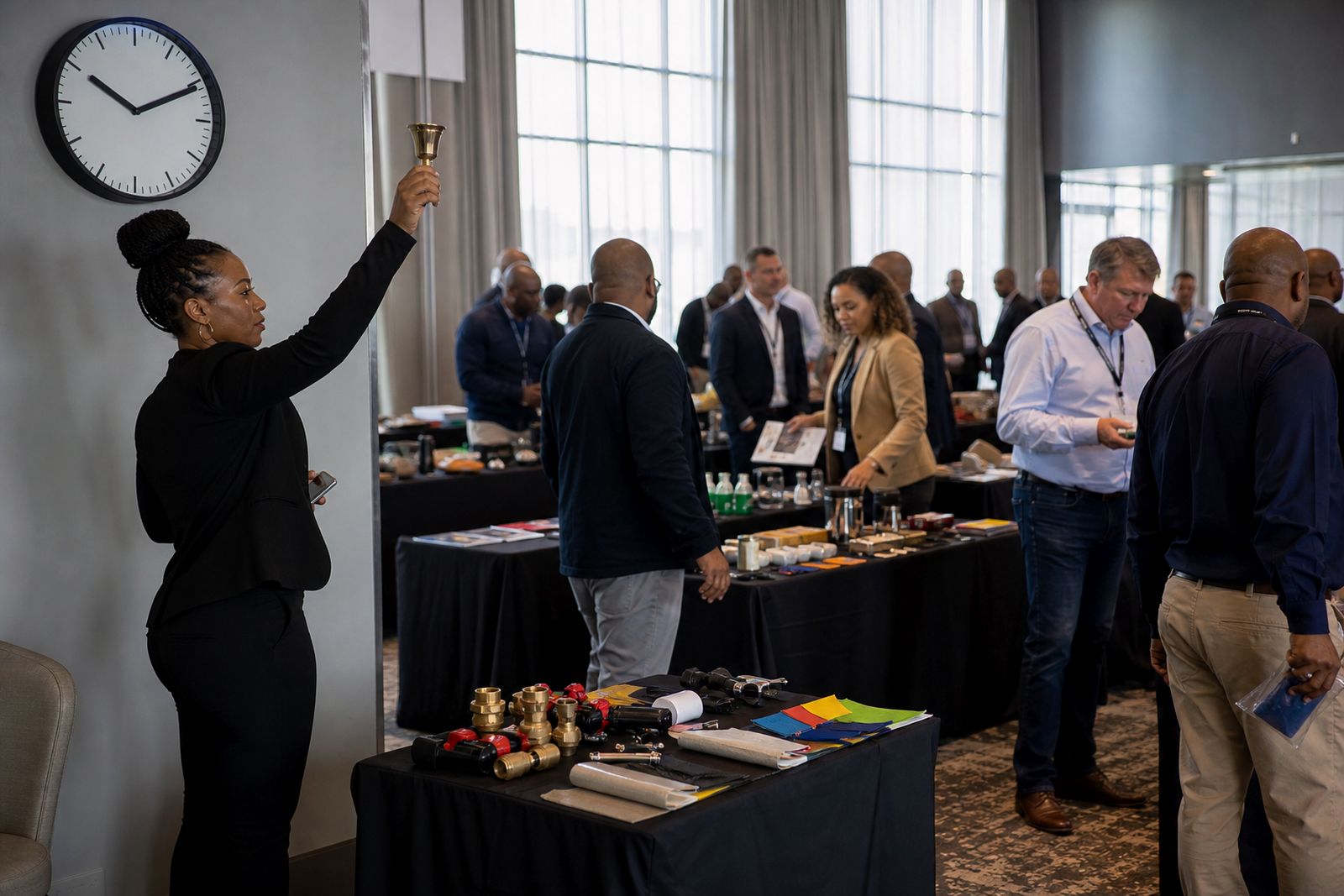
Supplier days often work best with short meetings, but short meetings only help if the clock is managed properly. We give clear start and stop cues, watch changeover times and step in when one meeting begins to spill into the next. The aim is not to rush useful discussion. The aim is to protect the full schedule so each supplier gets a fair slot and the buyer still has energy late in the day.
There is a practical difference between a relaxed room and a loose room. A relaxed room is calm and easy to work in. A loose room starts running late by mid-morning and never really recovers, which is where problems start.
- Loose timing: suppliers overlap, buyers miss breaks, notes become patchy and later meetings get shortened.
- Tight timing: each slot starts cleaner, buyer concentration stays better and comparisons between suppliers are easier.
- Too rigid: useful discussion gets cut off too early and buyers feel managed rather than supported.
Our approach sits in the middle. We keep time firmly, but allow sensible judgement when a discussion clearly needs another minute or two and the rest of the line-up can still absorb it.
Choosing the right level of on-the-day support
Not every supplier day needs the same amount of control. A single buyer group in one room is different from a multi-team event where several categories are being reviewed at once. When deciding what support matters most, compare your event against the points below.
- Simple room, fewer moving parts: focus on table set-up, signage and clear supplier check-in.
- Many short meetings: focus on timekeeping, changeovers and quick issue handling.
- Mixed buyer teams: focus on room zoning, category separation and a clean schedule handover.
- Venue with access limits: focus on arrivals, parking guidance, lift access and moving people through without delay.
If you are unsure, start with the question that matters most: is your biggest risk confusion in the room, or is it time slipping away? That usually tells you whether to read Table set-up first or Keeping the schedule tight first.
What the buyer should have by the end of the day
By close of play, the buyer should not be left with a pile of loose papers and half-finished notes. The day needs to end in an orderly way, with supplier information gathered properly and any handouts kept in a form that can be reviewed later. We collect the material that needs to go into the supplier pack and make sure it is arranged in a way the buyer can use.
This page focuses on the live running of the event, but the handover matters just as much. A well-run room means little if the follow-up material is untidy or incomplete. Our next section on supplier packs explains what is gathered, how it is arranged and how buyers can use it after the event. Small things matter here too, a missing company profile or an unlabelled sample note can waste time later.
What our Supplier Day customers say
Verified Google reviews
Questions we get asked
Do you manage the venue on the day as well as the supplier list?
Yes. On the day we handle the practical running of the supplier event, including table positions, supplier arrivals, schedule control and buyer handover items.
Can you help if meetings are only ten minutes each?
Yes. Short meetings need stronger timekeeping, clear changeovers and a simple room plan. We build the day around that pace so the schedule stays usable.
What if there are delays or a supplier arrives late?
We deal with changes as they happen and try to protect the buyer schedule first. Depending on the room and the queue, we may resequence a slot or use a break window.
Plan a supplier day
Send a note through our contact form with the kind of suppliers you want to meet and where, and our team will reply to plan your supplier day.
Open the contact form