

Documents to have ready
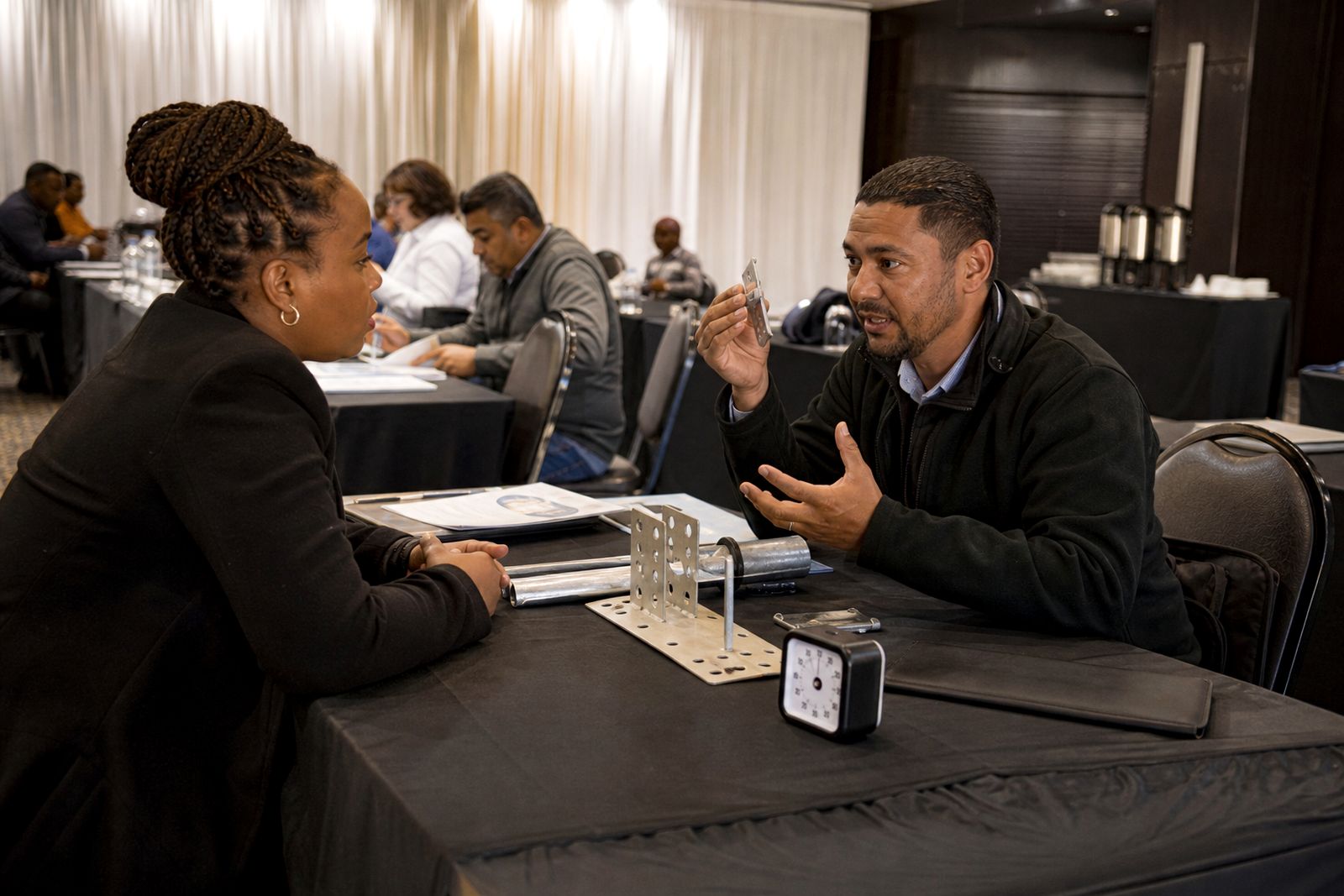
Buyers usually want the same core paperwork before they can take a supplier conversation further. If you arrive with clear, current documents, your ten minute slot runs better and follow-up is much easier.
Start with your company basics
Before you think about brochures or samples, get your basic company documents in order. Buyers want to know who they are speaking to, what your business supplies, and whether the details on your paperwork match each other. A surprising number of delays start with small mismatches such as one trading name on an invoice and another on a registration document.
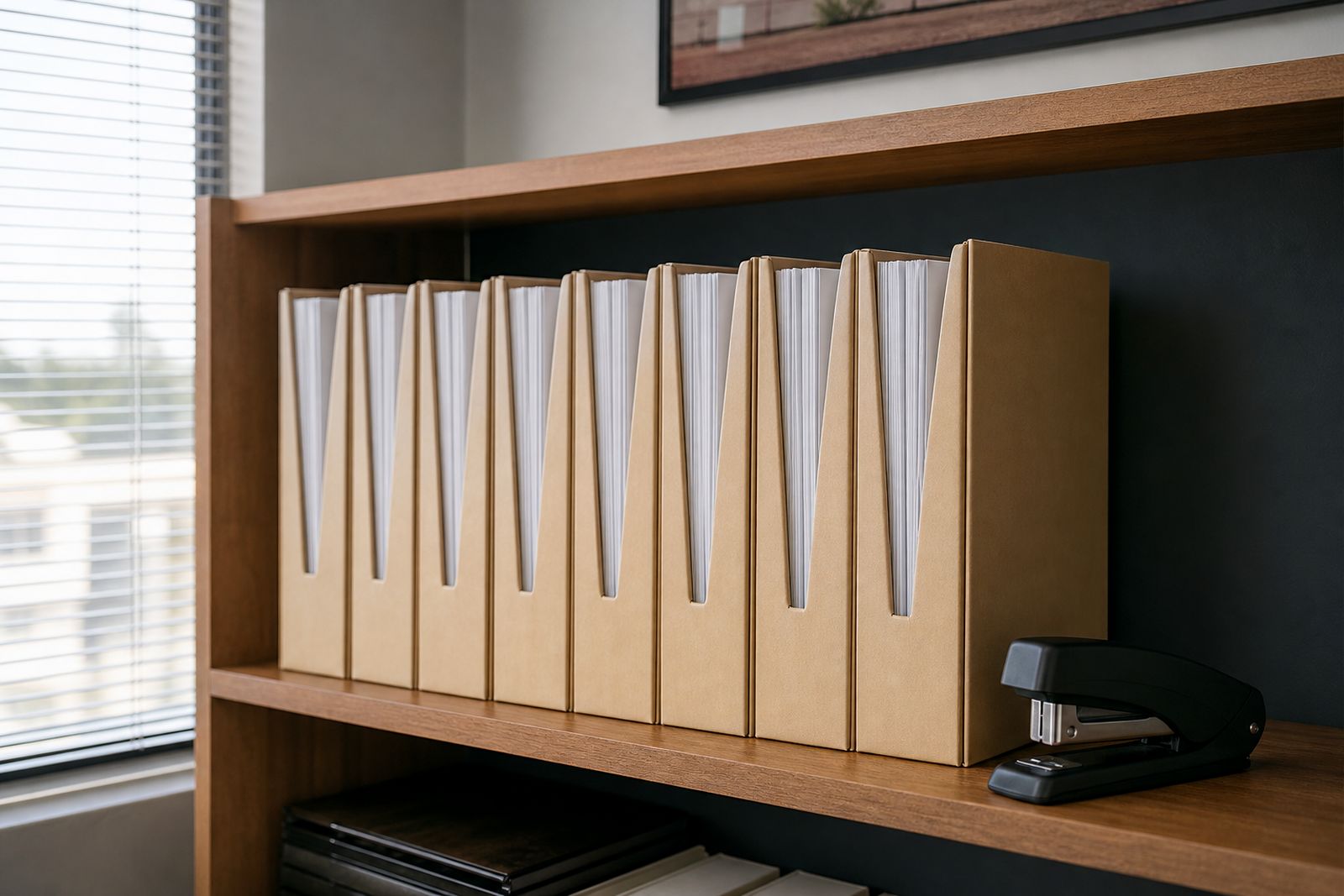
Keep one neat file, printed and digital, with the essentials grouped together. If a buyer asks for a copy after your meeting, you should be able to send the same set without scrambling around later that afternoon. It sounds simple, but this alone saves time and shows that you run a tidy operation.
- Company registration document or equivalent proof of business registration
- Tax reference details and any tax status confirmation you already have
- Proof of business address
- Bank confirmation letter or official bank account confirmation
- A short company profile with your main products or services
- Contact details for the person handling buyer follow-up
Check that your business name, registration number, address and banking details appear consistently across the pack. If your contact person has changed recently, update every document before the event not just one or two.
Compliance papers buyers often ask to see
Different buyers have different onboarding processes, but many will ask early questions about compliance. They may not need every document on the day, yet they do want to see that you understand the basics and can provide papers quickly when requested. If you are missing something, say so plainly and note when it will be available.
Where a service or product involves site access, vehicles, lifting, electrical work, chemicals, food handling, or public-facing delivery, buyers may be stricter. Mines and industrial buyers often check health and safety paperwork closely. Municipal buyers may focus on supplier forms and declarations. Retail groups often want consistency, traceability and insurance detail.
- Relevant tax documents that are current and legible
- Any ownership or declaration forms commonly requested in procurement processes
- Health and safety documents where your work requires them
- Insurance confirmation, especially public liability or product-related cover where relevant
- Industry-specific licences, permits or registrations if your trade requires them
- Identity documents for authorised signatories, only if a buyer specifically asks
Do not bring a pile of expired papers and hope no one notices. Date checks happen quickly, and outdated compliance documents can stall a promising conversation. If a document is under renewal, carry proof that the renewal is in progress.
Product and service information that helps a buyer decide
Once the buyer knows your business is real and contactable, the next question is practical: what exactly do you supply, at what lead time, and to what standard? This is where many suppliers talk too much and show too little. Keep your product and service information short, specific and easy to scan.
Your material should help a category manager, procurement officer or operations team member compare you with other suppliers after the event. That means plain language, not slogans. If you supply items with sizes, capacities, pack formats, colours or materials, list them clearly. If you provide services, explain your area, turnaround times, call-out limits and what is included.
- One page product list or service list
- Technical data sheets, where relevant
- Photos of completed work or supplied items
- Typical lead times and delivery areas
- Minimum order quantities, if any
- Warranty or after-sales support summary, if applicable
If you can supply nationally, say how. If you only cover Gauteng, or Gauteng plus nearby provinces, say that instead. Buyers appreciate honesty because it helps them place you correctly. A smaller supplier with a clear service radius often gets further than one making big promises it cant keep.
Commercial documents to prepare in advance
Even where no prices are discussed in detail on the day, buyers will usually ask how you quote, invoice and deliver. They want to know whether your paperwork is professional and whether your commercial terms are sensible. Have examples ready, with any private pricing removed if needed.
A simple quote template is useful because it shows your layout, line items and terms. A sample invoice also helps, especially if your work includes delivery charges, installation, consumables or monthly service components. Keep these examples clean and easy to read.
- Sample quotation template
- Sample invoice template
- Standard payment terms you normally work on
- Delivery terms and service area notes
- Return, replacement or fault reporting process
If your business is often affected by power cuts, import lead times, or coastal humidity for stored goods, explain briefly how you manage that risk. Buyers do not expect perfection, but they do expect planning and straight answers.
How to organise your pack for the supplier day
Do not arrive with loose papers in a shopping bag. Keep your documents in one labelled folder and one digital folder on your phone or laptop, with files named properly. If your battery dies or a venue plug point is unavailable, printed copies still matter. If printing is not possible, at least make sure your files can be opened quickly without network access.
Use this simple order for your pack: company basics first, compliance second, product or service information third, and commercial examples last. Place your one page summary at the front. That way, if your ten minute meeting moves fast, the buyer still leaves with the key facts.
Bring more than one copy of your summary page. Sometimes another person joins the table halfway through, or the buyer wants to pass your pack to a colleague in operations or finance. A little extra prep goes a long way and it keeps things moving.
What to check the day before
The day before the event, do one final review. Open every digital file. Read the dates on your compliance documents. Check that the contact number and email on your profile are current, and that the person listed will actually be available for follow-up. Small mistakes can make you look disorganised even when your service is solid.
- All documents are current and readable
- Names and numbers match across the full pack
- Printed copies are clean and in the right order
- Digital copies open without internet access
- Your summary page reflects what you really supply now
- You can explain any missing document honestly and briefly
If you do not have a requested document yet, prepare a direct answer instead of avoiding the topic. Say what is available, what is pending, and when it will be ready. Buyers hear a lot of vague promises. Clear follow-through is remembered.
What our Supplier Day customers say
Verified Google reviews
Questions we get asked
Do I need every document before I can attend a supplier day?
Not always. Different buyers ask for different sets, but you should arrive with your core company documents, a clear profile, and any compliance papers already available. If something is still in progress, be upfront about it.
Should I bring printed copies if I already have everything on my phone?
Yes. Printed copies are still useful at busy venues, during power cuts, or when a buyer wants to keep a summary page for later review.
What if my product range is broad and I cannot print everything?
Bring a short overview first, then a more detailed catalogue or digital file for follow-up. Buyers usually want the essentials during the meeting, not every item you have ever supplied.
Also worth a look


Plan a supplier day
Send a note through our contact form with the kind of suppliers you want to meet and where, and our team will reply to plan your supplier day.
Open the contact form