

Pitching in ten minutes
A short supplier meeting is not the place for a full company story. It is the place to show fit, answer risk questions and leave the buyer with a clear next step.
Know what the ten minutes is for
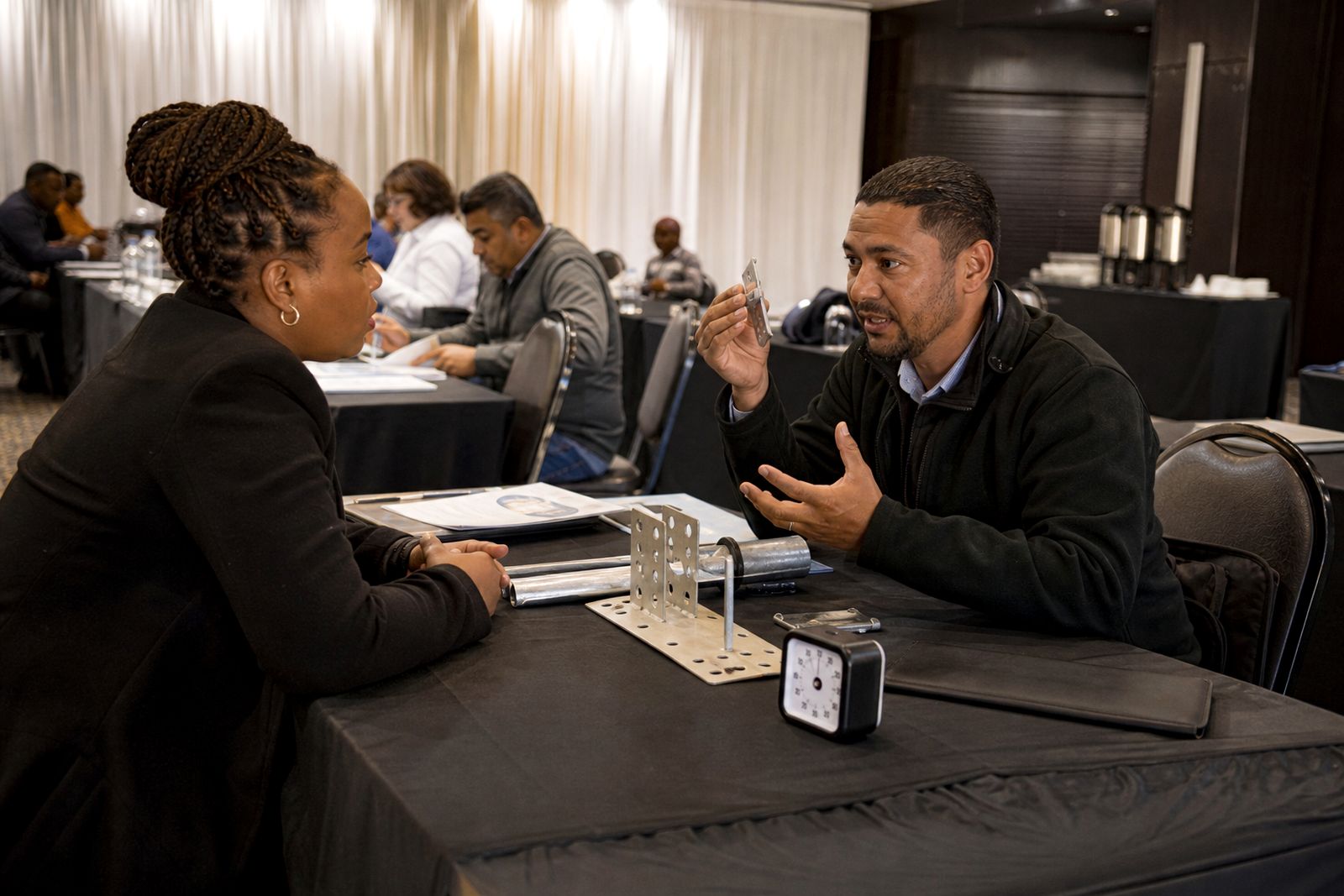
At a supplier day, the buyer is usually meeting several suppliers in one sitting. That means your goal is not to explain everything you do. Your goal is to help the buyer decide whether your offering fits a current need, whether you look workable to onboard, and whether it is worth continuing the conversation after the event.
Think of the meeting as a first filter. If you spend most of the time on your history, staff structure or every item in your range, the buyer may leave without hearing the parts that matter most. Start with the problem you solve, where you supply, and what makes you easy to work with. Keep the detail for follow up.
- Lead with what you supply, not a long introduction.
- Match your points to the buyer type, such as mining, municipal or retail.
- Use plain language and avoid internal jargon.
- Leave enough time for questions at the end.
Prepare a simple structure before you arrive
A ten minute meeting goes better when you follow the same structure each time. You do not need a speech. You need a clear order so you can get through the essentials without rushing. If power cuts, venue noise or late starts affect the day, a simple structure helps you recover quickly and keep your point.
A useful flow is: who you are, what you supply, where you can deliver, what proof you have ready, and what next step you want. Practise saying it out loud. If a point sounds long when spoken, shorten it.
- Minute 1 to 2: Company name, product or service category, area served.
- Minute 3 to 4: The main buyer problem you solve.
- Minute 5 to 6: Capacity, lead times, stock or service response where relevant.
- Minute 7 to 8: Documents and proof you can provide.
- Minute 9 to 10: Questions, then agree on the next step.
If the buyer interrupts with a question, answer it directly and then return to your structure. That keeps the meeting tidy and shows you can communicate under pressure.
Say what matters first
Buyers often want to know very early whether you are relevant. So your opening should answer three points fast: what you supply, who it is for, and where you can support them. For example, if you only deliver in Gauteng, say that. If you support sites in Limpopo, the North West and Mpumalanga, say that. If your service depends on call-outs within a certain radius, say that too.
Then move to practical fit. Mention pack sizes, service turnaround, site requirements, vehicle access, installation limits or cold chain handling if those affect delivery. For retail, consistency and replenishment may matter. For industrial sites, safety paperwork and site access may matter more. For municipal buyers, clear documentation and communication may be the main concern.
Do not overclaim. If you are still growing into a category, say what you can do now and where your limits are. A buyer would rather hear an honest scope than a wide promise that later changes. A small supplier who is clear and prepared often makes a better impression than one who tries to sound bigger than they are.
Bring proof, not piles of paper
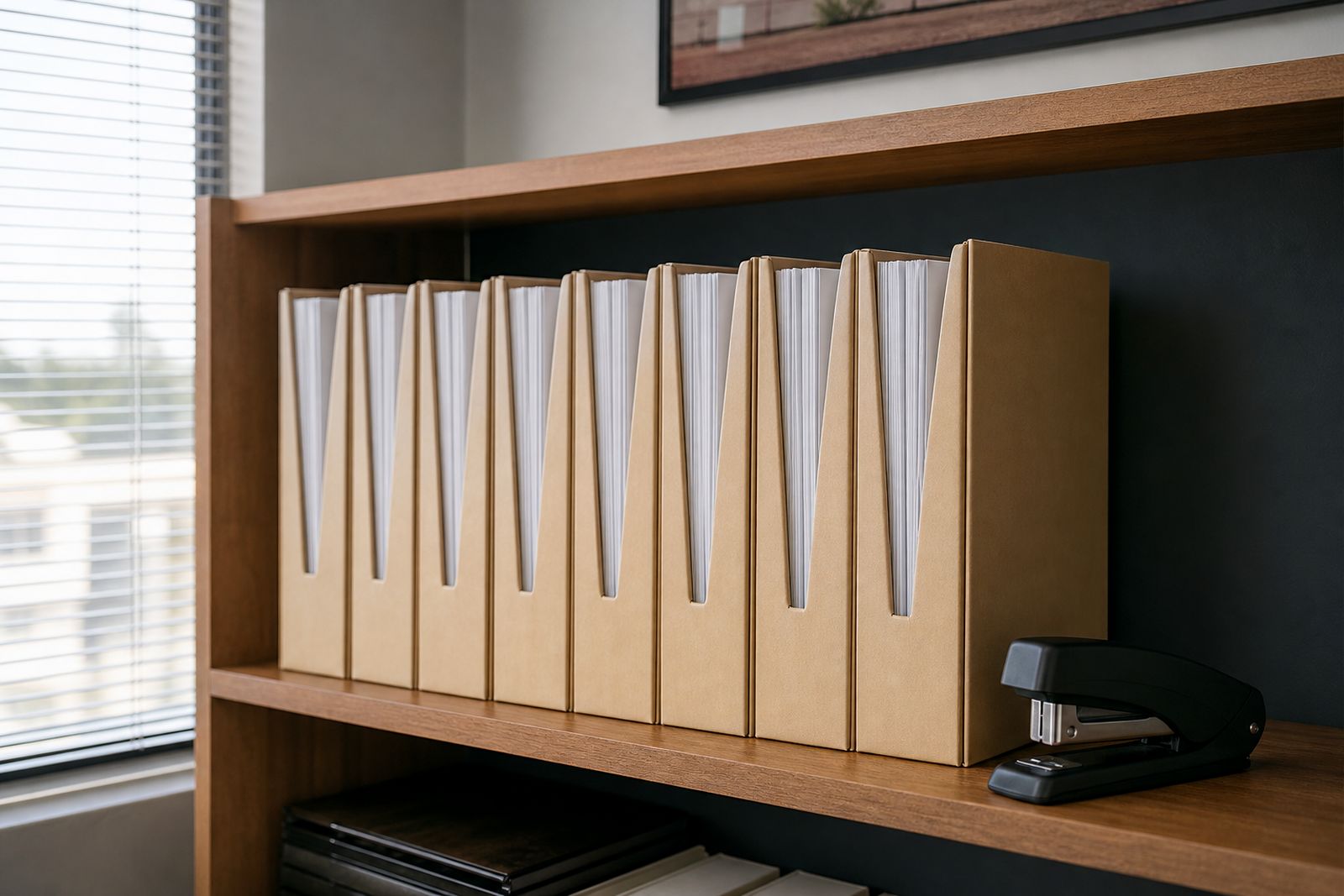
A short meeting works best when your supporting documents are ready and easy to scan. Do not hand over a thick pack at the table unless the organiser asked for one. Keep one neat set with you and know exactly where each item is. The buyer may only want to confirm that you have the basics ready, not read every page on the spot.
Use labelled sleeves or a slim folder. If a document has an expiry date, check it before the event. If you have products that suit coastal use, dusty sites or high-use retail settings, bring a brief sheet that explains those conditions in plain terms.
- Company registration and tax documents where applicable.
- Proof of banking details if requested later through the correct process.
- Product list or service summary.
- Lead times, delivery areas and minimum order details.
- Safety or technical information where relevant.
- Referenceable work categories without naming clients.
Your aim is to reduce uncertainty. A buyer should leave thinking, this supplier looks organised and can send the right information quickly.
Handle questions without losing your thread
Most buyers use their questions to test fit and risk. They may ask about supply continuity, transport, after-sales support, payment process readiness, packaging, substitutions or service cover outside Johannesburg. Listen carefully before answering. If you are not sure what they mean, ask a short clarifying question.
Keep answers direct. One useful method is: answer, proof, next step. For example, if asked about delivery areas, state the areas you cover, explain how you deliver there, then offer to send your delivery matrix afterwards. If asked about capacity, give the practical limit you can commit to now and what notice you need for larger orders.
Do not guess. If you do not have the answer at hand, say you will include it in the follow up pack. That is far better than giving loose information. Buyers remember when a supplier stays clear and steady, even when pressed a bit.
- Pause before answering difficult questions.
- Keep each answer to the point.
- Use examples only if they help the buyer decide.
- Write down any follow up item immediately.
Close with one clear next step
The last minute matters. Many supplier meetings fade out because nobody states the next step properly. Before the meeting ends, confirm what the buyer wants to receive next and how your information should be framed. Some want a short capability summary. Some want item codes and pack sizes. Some want service coverage and response times. Make it easy for them to say yes to the next action.
A good close is brief: thank the buyer, repeat the fit in one line, and confirm what you will send through the organiser if that is the process for the day. Avoid asking for too much at once. You are trying to move to the next stage, not finish the whole sales process at the table.
After the event, send any requested information promptly through the correct channel. Check that file names are clear and documents open properly. Small details matter more than many suppliers realise and late follow up can undo a decent meeting.
- Repeat your main fit in one sentence.
- Confirm the exact follow up item requested.
- Keep your leave-behind neat and short.
- Do not chase outside the agreed process.
If you can explain your offer simply, support it with proof and close neatly, ten minutes is enough. Not for everything, but enough to get onto the buyer's shortlist.
What our Supplier Day customers say
Verified Google reviews
Questions we get asked
Should I bring samples to a ten minute meeting?
Only if samples are practical, clean and easy to place on the table. Bring small, relevant examples rather than a large range, and only if the organiser allows it.
What if the buyer asks for pricing straight away?
Give a careful indication only if your pricing is simple and current. If price depends on quantity, delivery area or scope, explain that and offer to send the correct pricing after the event.
Can I use a slide presentation?
Usually a short verbal pitch works better at a supplier day. Venues can be busy and timing is tight, so a one page printed summary is often more useful than a screen presentation.
Also worth a look
Plan a supplier day
Send a note through our contact form with the kind of suppliers you want to meet and where, and our team will reply to plan your supplier day.
Open the contact form